

There is a reason natural diamonds have been used to mark life’s most significant moments for centuries. Formed deep inside the Earth over billions of years, each stone carries a geological fingerprint that cannot be manufactured or replicated. No two are identical.
If you’re considering a natural mined diamond for an engagement ring, anniversary piece, or custom design, this page is here to answer your questions—what mined diamonds are, how they’re graded, and what to think about when choosing one. When you’re ready to take the next step, Matt Meis is available to help you find the right stone and build something exceptional around it.
What Is a Natural Mined Diamond?
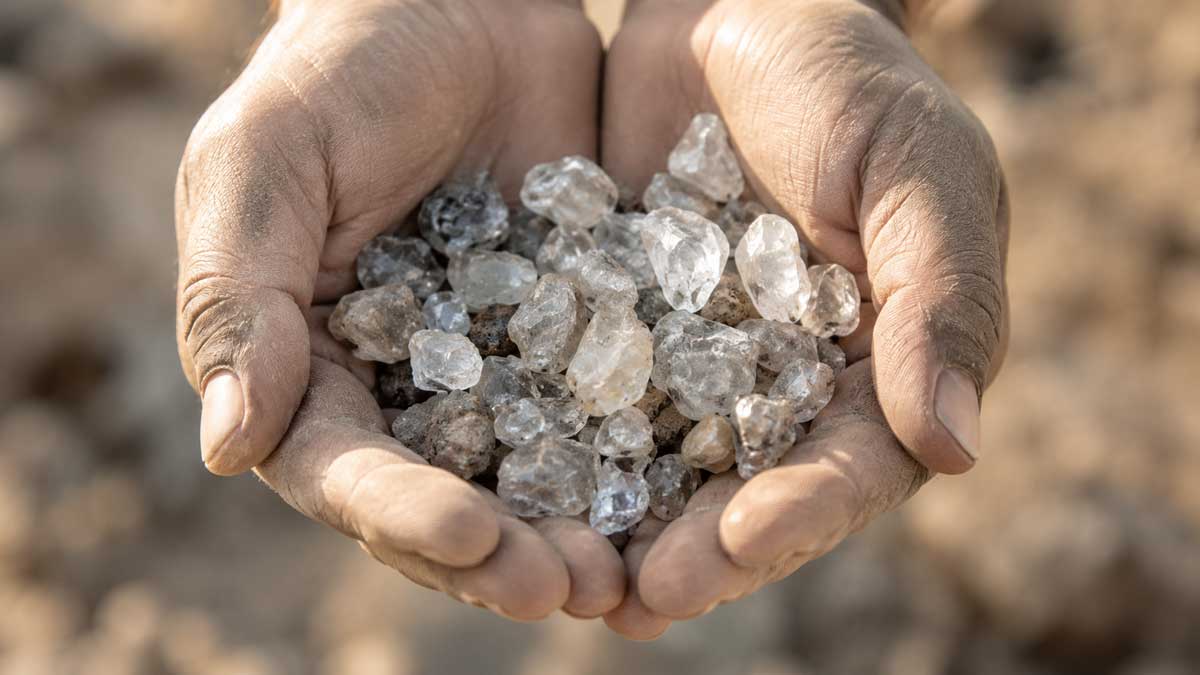
A natural diamond is a carbon-based gemstone formed under extreme pressure and heat approximately 100 miles below the Earth’s surface. The process takes anywhere from one billion to three billion years. Diamonds are then carried toward the surface through volcanic activity, where they are eventually discovered and extracted.
Unlike lab-grown diamonds, which are real diamonds created in a controlled environment, natural mined diamonds are products of the Earth itself. That origin is part of what buyers are choosing when they select one. The stone existed long before any of us, and it will outlast us too.
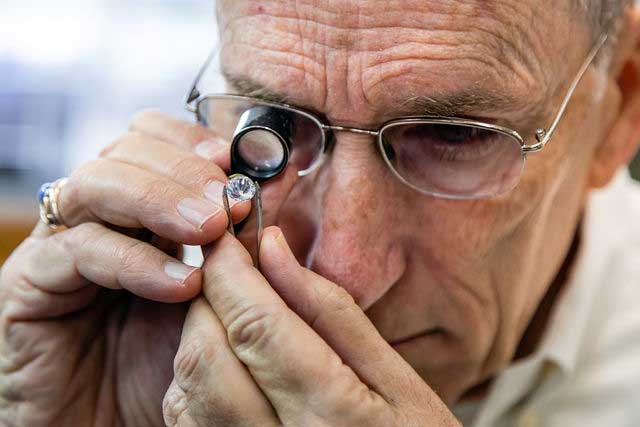
Natural diamonds are graded and certified by independent gemological laboratories, most notably the Gemological Institute of America (GIA). A GIA certificate is the industry standard for verifying a stone’s quality and characteristics.
Understanding Diamond Quality: The 4 Cs
Diamonds are evaluated using four universally accepted criteria known as the 4 Cs. Understanding these helps you make an informed purchase decision rather than relying solely on price or appearance.
- Cut -Determines how well a diamond reflects light. Grades range from Excellent/Ideal down to Poor. Cut has more impact on sparkle than any other factor.
- Color – Graded D (colorless) to Z (light yellow/brown). For most buyers, diamonds in the G–H range appear white and offer excellent value.
- Clarity – Measures internal inclusions and surface blemishes. VS2 or SI1 are typically eye-clean and priced well.
- Carat – Total weight of the stone. Heavier stones are rarer and cost more, but cut and proportions affect how large it looks.
Most buyers find that prioritizing Cut above the other three Cs delivers the best visual result. A well-cut diamond in the G–H color range and VS2–SI1 clarity will appear spectacular to the naked eye while staying within a reasonable budget. That said, the right balance depends on your priorities—and that’s exactly what Matt brings 50 years of experience to help you sort out.
Why Choose a Natural Mined Diamond?
The choice between a natural and lab-grown diamond is personal, and there is no objectively correct answer. But buyers who choose natural diamonds typically do so for one or more of these reasons:
- Rarity and scarcity – Natural diamonds are finite. No new ones are forming on any human timeline. That scarcity is a meaningful part of what makes them valuable.
- Uniqueness – Every natural diamond has a unique combination of inclusions, color variations, and proportions. No two are identical which is a quality that matters to many buyers.
- Symbolic weight – For many people, the story of a natural diamond, billions of years in the making, pulled from the Earth, carries a meaning that a manufactured stone does not.
Responsible Sourcing and the Kimberley Process
Ethical sourcing is a legitimate concern for diamond buyers, and it’s worth addressing directly. The Kimberley Process Certification Scheme (KPCS) is an international framework established in 2003 to prevent the trade of conflict diamonds. Under the KPCS, participating countries certify that their diamond exports are conflict-free.
While the Kimberley Process has its critics, some argue it doesn’t go far enough on broader human rights issues, it remains the primary industry framework. Reputable jewelers source stones with documentation that traces their origin.
Matt sources natural diamonds through established relationships with direct importers who maintain full documentation on origin and certification. If sourcing is important to you, it’s a conversation worth having before you buy.
Working with a Custom Jeweler in San Diego
Buying a natural diamond from a custom jeweler is a different experience than walking into a chain retail store. Rather than choosing from whatever happens to be in the case, you work with someone who sources specifically for you based on your budget, your preferences, and what you’re building.
Matt Meis has been working in fine jewelry since 1975. He has direct relationships with several diamond importers, which means he can locate stones that retail stores typically don’t carry. He can also walk you through certification documents, compare stones side by side, and explain what you’re actually looking at.
For clients in the San Diego area, this kind of hands-on guidance makes a meaningful difference especially for a purchase that will be worn every day. Remote consultations are also available for clients outside Southern California.
Ready to Find Your Natural Diamond?
If you’re considering a natural mined diamond for an engagement ring, custom pendant, or any other piece, Matt is the right person to talk to. With 50 years in fine jewelry and direct access to diamond importers, he can source stones that meet your exact specifications and build something around them that will last a lifetime.
Reach out to start a conversation. There’s no pressure and no obligation: just an honest discussion about what you’re looking for and whether Matt is the right fit.